Tree Removal Metairie: How Weather Impacts Scheduling and Safety
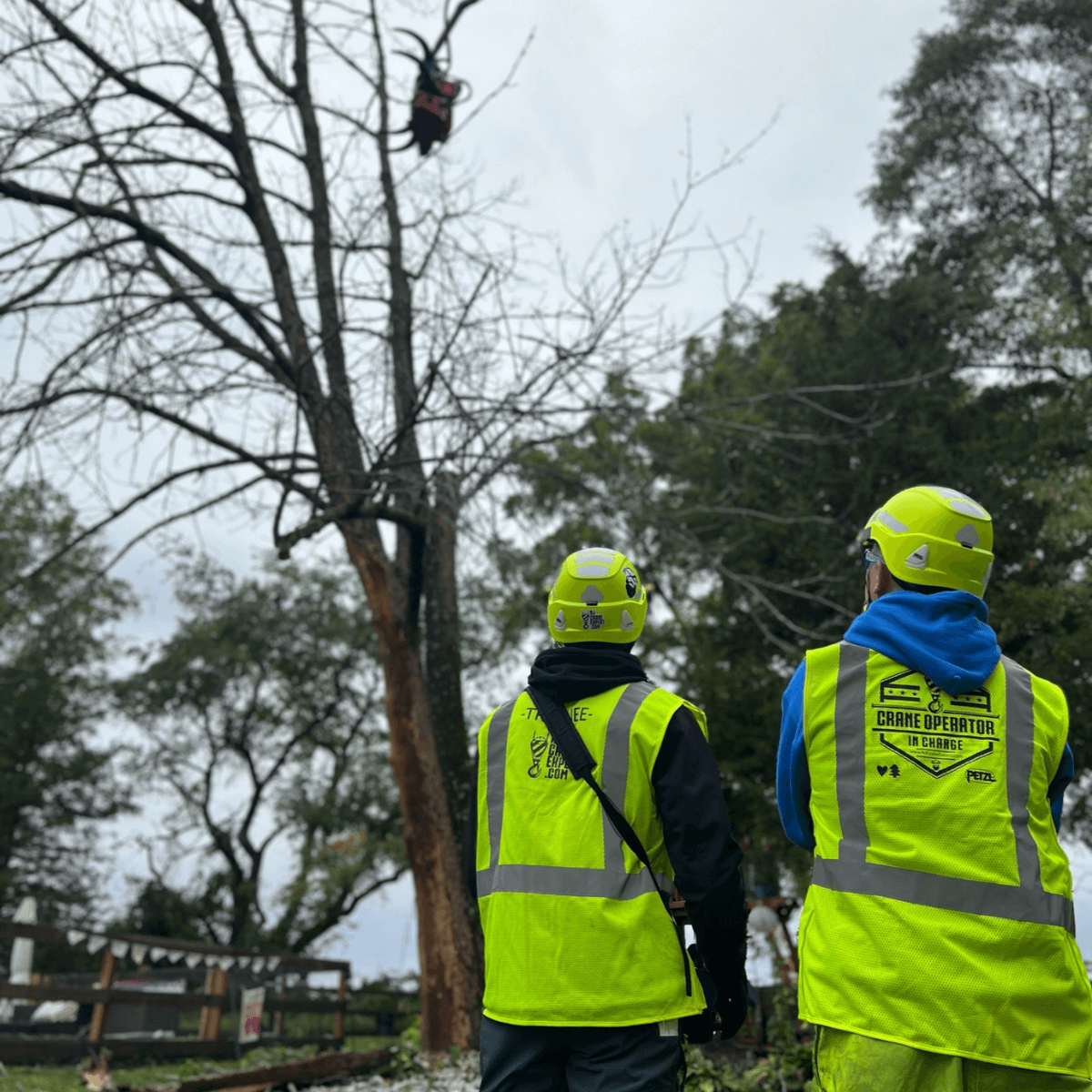

Anyone who has worked around trees in southeast Louisiana learns the same lesson early: the weather does not sit politely in the background. It drives the whole job.
In Metairie, tree removal is never just about chainsaws, ropes, and trucks. It is about timing. It is about soil that turns soft after a hard rain, wind that changes a safe drop zone into a dangerous one, and heat that slows crews in ways many homeowners do not notice from the porch. A tree that looks manageable on a mild, dry morning can become a serious hazard by afternoon if the forecast shifts.
That is why conversations about tree removal Metairie should always include weather. Homeowners often focus on price, equipment, or whether a stump is included. Those things matter. But scheduling and safety are often shaped first by conditions in the sky and on the ground. A reputable crew does not just ask, “Can we remove this tree?” They ask, “Can we remove it safely today, from this access point, with this wind, on this soil, near these structures and utilities?”
That distinction is not small. It is the difference between efficient work and avoidable damage.
Metairie’s climate changes the job before the first cut
Metairie sits in a climate that keeps tree companies alert nearly year-round. Long periods of heat and humidity, sudden thunderstorms, tropical systems, and saturated ground conditions all affect the way a removal is planned. Even in months that feel relatively stable, local weather can shift quickly enough to change the entire workday.
On paper, tree removal sounds straightforward. A crew assesses the tree, sets up equipment, cuts it in sections, lowers material safely, and hauls debris away. In real conditions, each of those steps depends on weather-sensitive variables. Crane setup may be impossible on wet turf. Climbing may become unsafe if bark is slick from rain or dew. A controlled rigging plan can lose its margin for error if wind gusts start pushing the crown over a roofline.
This is especially true with the kinds of trees common in the area. Mature live oaks, water oaks, pines, and ornamental species all react differently to weather stress. Oaks may have broad canopies that catch wind like sails. Pines can become brittle after storm damage. Trees already weakened by root rot, poor drainage, or prior hurricane stress may fail during removal in ways that were not obvious during the estimate.
A homeowner might hear, “We need to push the job back two days,” and assume the company is overbooked or being cautious for its own convenience. Sometimes the answer is simpler and more practical. The tree can wait. A bad weather setup can turn a routine removal into a property claim, a utility emergency, or an injury.
Rain does more than make the job uncomfortable
Most people associate rain delays with inconvenience. In tree work, rain affects almost every layer of risk.
The first problem is traction. Climbers rely on secure footing, whether they are using spikes on a removal or moving from tie-in point tree removal metairie to tie-in point in a dismantling operation. Wet bark can be surprisingly slick, particularly on smooth-barked species or trees with algae, moss, or decay. Ground crews face the same issue around logs, sawdust, and churned soil. A slip while carrying a running saw or guiding a suspended limb is not a minor concern.
The second issue is equipment stability. In Metairie neighborhoods, access is often tight. Crews may need to position bucket trucks on driveways, lawns, or narrow side yards. Once the ground softens, vehicle weight becomes a real calculation. Outriggers can settle. Tires can rut turf deeply. A crane that would have had a solid setup on dry ground may need mats, a different angle, or an entirely new plan after sustained rain.
Then there is the tree itself. Water adds weight. Foliage holds moisture, and saturated limbs do not behave exactly like dry ones. When pieces are rigged down, extra weight matters. Good crews build safety margins into their plans, but those margins can disappear fast on a wet day if someone underestimates how heavy a section really is.
Rain also reduces visibility. Sawyers, climbers, crane operators, and ground staff all depend on clear communication and visual confirmation. If glasses fog, helmets drip, or line of sight is interrupted by rain and movement in the canopy, efficiency drops and exposure rises.
I have seen jobs where a tree looked like a same-day removal until a night of heavy rain changed the site entirely. The next morning, the backyard gate area was muddy enough that hauling brush by hand would have doubled labor time, and the lawn could not support the mini skid steer without serious damage. The smartest move was a delay. Not because the tree had become impossible, but because the site had become expensive and risky.
Wind is often the deciding factor
If rain complicates tree removal, wind can stop it outright.
Tree work depends on predictability. The crew needs to know where the piece will move when it is cut, how it will swing under rigging, and whether the crown will stay stable during repositioning. Wind interferes with all of that. Even moderate gusts can push branches off line, especially in broad-canopied trees or dead tops with little structural integrity.
The risk gets sharper when the tree sits over a house, fence, pool enclosure, or service line. A limb that would clear a roof by several feet on a calm morning might drift into shingles or gutters during a gust. With a crane pick, wind can create side loading and make the operator wait for a stable window. With technical rigging, it can increase movement at the cut point and create shock loading on ropes and hardware.
In Metairie, this matters because so many removals are residential and confined. There is often no open field to drop pieces cleanly. Crews are threading material between homes, carports, fences, ornamental beds, and utility lines. That kind of work demands control. Wind erodes control first.
Not every windy day is an automatic cancellation. Experienced crews judge the actual site, canopy exposure, tree condition, and work method. A small rear-yard ornamental that can be pieced out by hand may still be manageable. A compromised oak leaning over a roof with gusting conditions is another story entirely.
Homeowners sometimes ask whether the crew can “just get started” before the weather worsens. The problem is that tree removal is not one cut. It is a sequence of cuts, each changing the tree’s balance and the crew’s position. A job that starts in acceptable conditions can move into unsafe ones halfway through. Good companies look beyond the first hour.
Storm season creates a different kind of scheduling pressure
In the Gulf South, hurricane season affects tree removal long before a named storm is close enough to make the news crawl all day. Forecast uncertainty changes booking patterns. Homeowners rush to remove suspect trees. Insurance concerns become part of the discussion. Crews may have to balance scheduled work against urgent storm preparation requests.
This is where realistic scheduling matters. If a tree has obvious defects, such as a cracked union, exposed root plate movement, significant decay, or recent storm damage, waiting too long can be a mistake. At the same time, storm season often produces exactly the weather that makes removal harder to perform safely: wet ground, unstable forecasts, and sudden wind events.
There is also a difference between preventive removal and emergency response. Preventive work can be scheduled around weather windows. Emergency removals happen after the fact, often in compromised conditions. Trees may be partially uprooted, hung up on structures, or tangled in utility lines. Access may be blocked. Soil may already be saturated. In those cases, the urgency is real, but it does not erase the laws of gravity or the limits of equipment.
That is one reason homeowners should not wait until the week before a projected tropical system to address a tree they have worried about for years. By then, reputable companies are already packed with inspections, pruning requests, and removals that should have been handled months earlier.
Heat and humidity affect safety more than most clients realize
Not all weather delays come from storms. Summer heat in Metairie can be a hazard on its own.
Tree removal is intense physical labor. Climbers work under load. Ground crews drag brush, feed chippers, move rounds, and operate saws in protective equipment. Hydration and recovery are not side issues. They are part of the safety plan. In high heat index conditions, fatigue shows up earlier, concentration drops, and small mistakes become more likely.
Heat also changes the pace of the work. A professional crew may build in more breaks, rotate labor more carefully, or start earlier to avoid peak afternoon conditions. That is not inefficiency. It is competent job management. Pushing through extreme heat to satisfy an unrealistic timetable is how injuries happen, especially in removals that require precision.
There is another layer: mechanical stress. Engines, hydraulic systems, and climbing gear all perform differently under prolonged heat and humidity. Most well-maintained equipment handles normal summer conditions fine, but hot weather still increases wear and requires attention. When crews slow down to check gear, sharpen saws, or inspect lines, they are protecting the job, not wasting time.
A homeowner who sees a crew stop for water, shade, or a gear check may not realize those pauses are part of why the work gets done without incident.
Saturated soil can turn a stable tree into an unstable one
One of the trickier judgment calls in tree removal involves trees after repeated rain. Saturated soil affects more than equipment access. It can affect the tree’s root stability.
In areas with drainage issues, shallow-rooted trees may begin to heave or lean more noticeably after a wet period. Fine roots lose holding strength in loosened ground, especially if the tree already has root damage from trenching, compaction, fungus, or prior storm stress. When that happens, the removal plan may need to change fast.
A tree that looked safe enough to climb during a dry-site inspection may no longer be a climbing tree after a week of rain. The crew may switch to a bucket truck, crane, or a more conservative dismantling approach. That can change the cost, timing, and manpower required. It can also mean postponing until the right equipment is available.
This is one of those situations where homeowners sometimes feel blindsided. They approved a quote based on one setup, and now the company is discussing a different method. On a good crew, that is not bait and switch. It is adaptation to current site conditions. Tree work is one of the few trades where the structure itself is alive, weather-exposed, and potentially moving.
What a weather-aware tree company looks for before scheduling
A serious estimate for tree removal in Metairie usually includes more weather thinking than the client hears out loud. The crew leader or estimator is not just studying the tree. They are looking at drainage, access, fall zones, nearby utilities, roof proximity, and what recent weather has done to the site.
These are some of the factors that often influence whether a job proceeds as scheduled:
- wind speed and gust pattern at the site
- ground saturation and equipment access
- active lightning or storm probability
- temperature and heat index during projected work hours
- tree condition changes since the original estimate
That list looks simple, but each item carries practical consequences. Wind affects rigging and drop control. Wet ground affects trucks and cranes. Lightning shuts down climbing and bucket work immediately. Heat changes staffing pace. Tree condition changes may mean the original plan no longer fits the actual risk.
A homeowner may only see a rescheduled calendar date. The company sees a different risk profile.
Why “a little drizzle” can mean a full stop
One of the more common misunderstandings in residential tree work is the idea that light precipitation should not matter if the crew is tough enough. Toughness is not really the issue.
A drizzle can coat bark, ropes, gloves, and saw handles. It can make communication harder if everyone pulls up hoods or face shields. It can hide cracks, cavities, or fiber movement that would be easier to read in dry light. In some trees, especially those with decay or included bark, visual reading at the cut is part of what tells an experienced climber how the wood is behaving. Poor visibility narrows reaction time.
Then there is lightning. In south Louisiana, a day that begins with light rain can turn electrically active fast. Once lightning is in the area, aloft work is off the table. No responsible company sends a climber into a tree or raises a bucket under that risk.
From the client side, this can feel frustrating because the weather may improve later. From the operations side, losing the morning window often means the whole schedule has to shift. Crews still need enough safe time to complete the work without rushing the final cuts, cleanup, and haul-off.
How homeowners can help the process
Homeowners do not control the forecast, but they can make weather-related scheduling easier and safer. The biggest help is flexibility. If the company calls to move the job because the site is too wet or the wind is wrong, that is usually a sign of professionalism, not disorganization.
It also helps to talk openly about property priorities. Some clients care most about speed. Others care about lawn protection, fence protection, or preserving nearby shrubs. Those priorities matter more when weather reduces access. If the backyard is already soggy, for example, a client may choose to delay rather than accept heavier turf impact from equipment mats and repeated wheel traffic.
A few practical steps can prevent confusion on removal day:
- ask how weather could change the work plan
- discuss whether equipment will need driveway or lawn access
- mention any drainage issues the crew might not see in dry weather
- confirm who will decide on a delay and how notice will be given
- remove vehicles and movable outdoor items from the work zone early
Those conversations are especially helpful for larger removals, crane jobs, and properties with narrow access or decorative landscaping. They set expectations before the first rain delay turns into a tense phone call.
Timing matters, but so does the kind of timing
People often ask for the “best time of year” to remove a tree. In Metairie, the better question is usually, “What kind of weather window gives this specific job the best margin of safety?”
For some trees, late fall through early spring can offer advantages. Temperatures are easier on crews, turf may recover better from traffic if conditions stay reasonably dry, and hurricane-related demand may be lower. But no season is automatically ideal. Winter can still bring heavy rain and unstable ground. Spring can bring fast storm development. Summer mornings may be workable even when afternoons are not.
What matters most is matching the work to the conditions. A backyard pine over a shed may be straightforward on a calm day with firm soil. A sprawling oak over a house may need a very specific setup, regardless of season. The right company does not force every removal into the same template. It reads the site, the tree, the weather, and the available equipment together.
That kind of judgment often separates experienced operators from crews that simply own saws and a trailer.
The cheapest date is not always the safest date
Price pressure leads some homeowners to accept the first company willing to promise immediate service, regardless of forecast. That can be a costly mistake.
A contractor who never delays for weather is not necessarily efficient. Sometimes that means they are willing to take risks with your roof, lawn, fence, or personal safety. It can also mean tree removal metairie they lack the scheduling depth to make good decisions. Established companies understand that weather delays are part of the business. They build for them. They communicate them. They absorb some inconvenience because the alternative is worse.
The same principle applies after storms, when demand spikes and desperation sets in. If a crew offers to remove a large, compromised tree immediately in unstable conditions without a clear safety plan, that should raise questions. So should vague answers about insurance, equipment limitations, or cleanup responsibility.
For most homeowners, tree removal is infrequent. For the crew, it is daily hazard management. The companies worth hiring tend to sound measured, not reckless.
Good scheduling is really risk management in plain clothes
When people think about safety in tree work, they picture helmets, harnesses, and chainsaw pants. Those matter. But some of the most important safety decisions happen earlier, at the scheduling stage.
Choosing the right day means checking the forecast, yes, but it also means understanding how yesterday’s rain affects today’s root plate, how neighborhood access changes after a storm, how a humid afternoon drains a crew, and how a light but steady wind alters the way a suspended limb behaves over a roof edge.
That is the everyday reality behind tree removal Metairie. Weather is not an afterthought or a box to check on a work order. It is part of the removal itself.
When a company explains that your tree should wait until the ground firms up, or that the crew wants a calmer morning for the crane, that is not hesitation. It is expertise doing its job. And in tree removal, especially in a place with Metairie’s climate, expertise often sounds like patience.
A Perfect Cut Tree Service
4725 Shores Dr, Metairie, LA 70006
+1 504-732-0779
FAQ About tree removal metairie
What is the average cost of tree removal in my area?
There is no single price that fits every tree. Size, condition, access, nearby structures, equipment, debris hauling and stump work affect the estimate. Request a written, site-specific quote that identifies what is included.
Who will remove trees for free?
Free removal is not generally available for ordinary private-property tree work. Utilities or public agencies may handle trees within their responsibilities. Confirm eligibility directly and do not assume that an offer or assistance program covers your tree.
Can I just cut down a tree in my yard?
Check ownership, location and local requirements first. Jefferson Parish requires a permit for removal of qualifying vegetation in the public right-of-way, and additional protections may apply in designated areas. Ask the parish about your property and have a qualified tree professional assess the work.