Top Reasons Residents Need Tree Removal Metairie Services
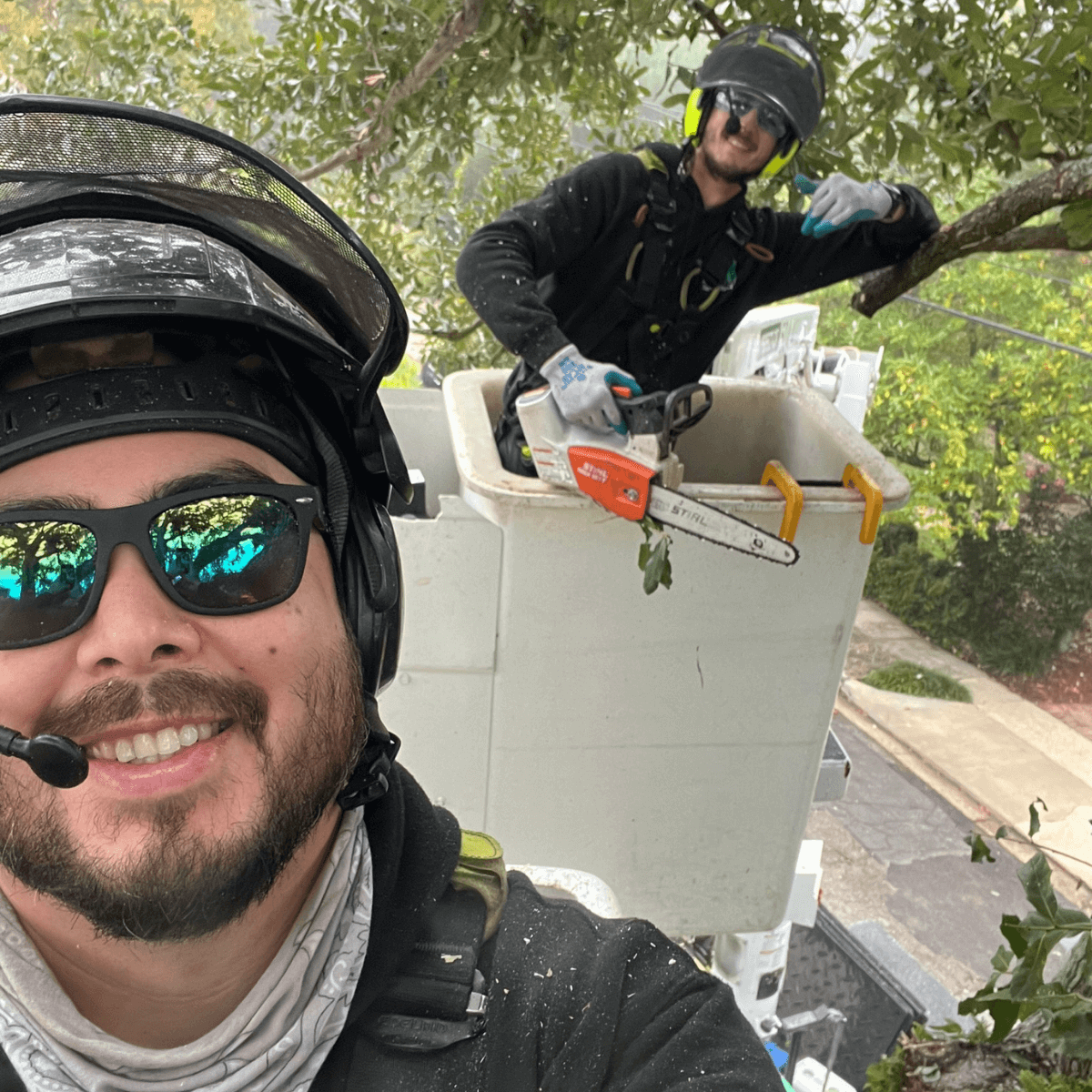

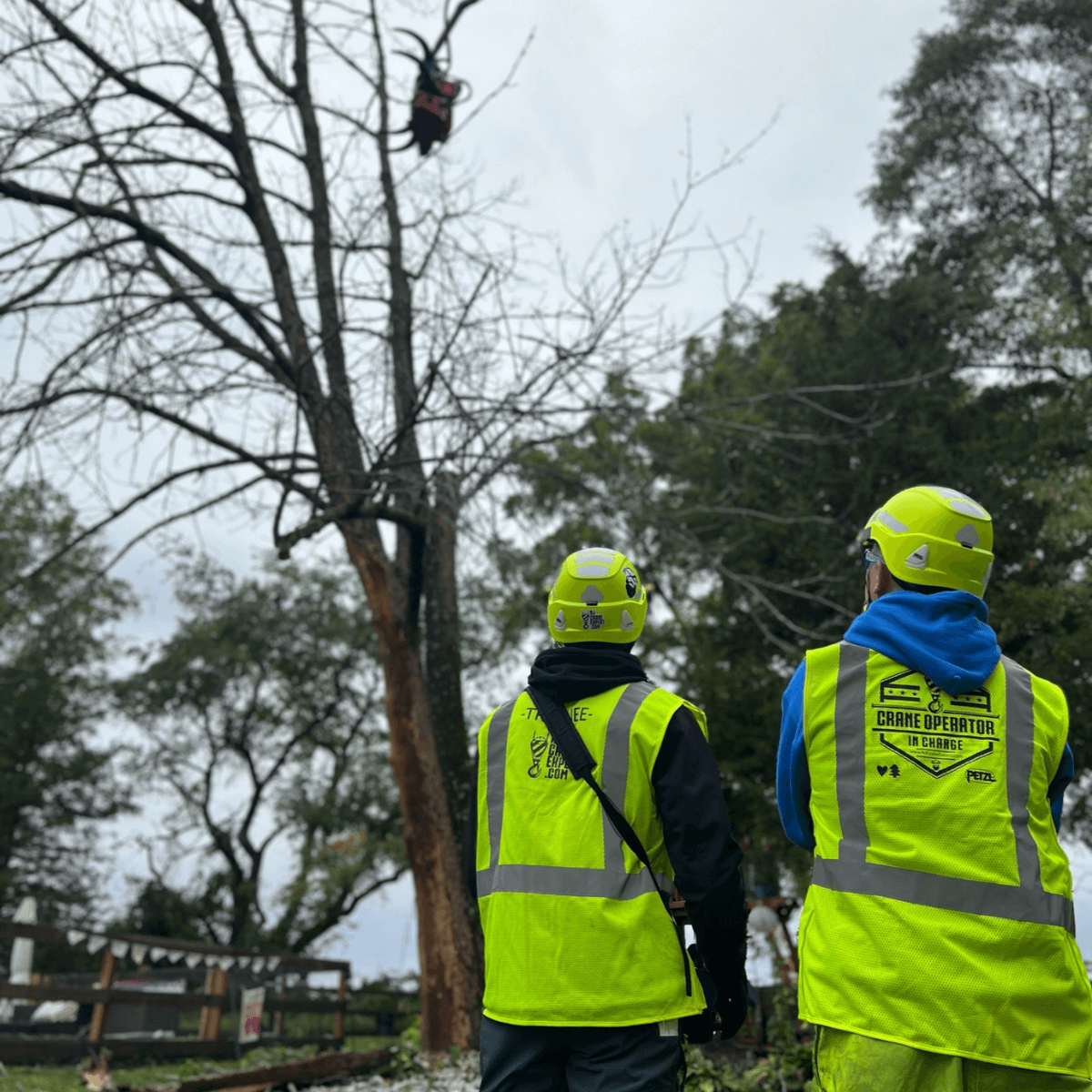
Metairie’s trees do a lot of heavy lifting. They cool yards in August, soften traffic noise, frame older homes beautifully, and give whole blocks a settled, established look that newer developments often lack. Live oaks, crepe myrtles, water oaks, pines, and ornamental species all contribute to that character. But trees in southeast Louisiana also live under constant pressure. Heat, saturated soil, high winds, fungal issues, cramped planting spaces, and years of storm exposure can turn a healthy asset into a serious liability faster than most homeowners expect.
That is why tree removal is rarely just about appearance. In practice, it is usually about risk, access, property protection, or the simple reality that a tree has outgrown the site or declined beyond recovery. Residents looking into tree removal Metairie services are often dealing with a specific problem, not a cosmetic preference. A trunk may be leaning after a storm. Surface roots may be lifting a driveway. A large limb may be hanging over a roof that already took one hit during hurricane season. Sometimes the issue is subtler, such as fungal decay at the base, a cavity hidden behind ivy, or a tree that leafs out poorly year after year.
The point is not that every troubled tree needs to come down. Far from it. Good arboricultural judgment always starts with whether the tree can be preserved safely. But when removal is the right call, acting early usually costs less, causes less collateral damage, and avoids the emergency pricing that follows fallen limbs tree removal metairie and blocked driveways.
Storm damage changes the equation quickly
Anyone who has lived through a few Louisiana storm seasons knows that trees can look fine one day and become a hazard the next. A tree does not need to fall completely to create an emergency. One split leader, one uprooted root plate, or one heavy limb suspended over a carport is enough to make a property unsafe.
What makes Metairie different from many inland communities is the combination of wind exposure and wet ground. Soil that stays saturated loses holding strength. Root systems that might tolerate wind under drier conditions can suddenly shift. I have seen mature trees remain standing after a storm, only to fail two or three days later when the ground stayed soft and another round of rain moved through. Homeowners often assume that if the tree survived the main event, the danger has passed. That is not always true.
Storm-related removals also tend to be more technical. A tree that has partially fallen into another tree, or one resting against a roofline, cannot simply be cut at the base. It must be dismantled in sections with careful control of weight and tension. That is one of the clearest reasons residents seek professional tree removal Metairie services rather than treating the job like routine yard work. The risk to homes, fences, power lines, and neighboring structures is too high.
Root damage often starts underground, then appears above ground
Many removals begin with symptoms homeowners notice in the yard rather than in the canopy. Sidewalks start to buckle. A patio slab cracks. A driveway edge lifts by an inch or two. A sewer lateral backs up repeatedly. Then, once someone A Perfect Cut Tree Service tree removal metairie looks closer, the larger issue becomes clear: the tree is planted too close to hardscape or underground utilities, and the root spread is now doing what roots naturally do, searching for water, oxygen, and space.
This is especially common in older neighborhoods where trees were planted when they were small and attractive, without much thought for their mature size. A species that looked perfect near the front walk fifteen years ago may now be crowding the foundation, overrunning irrigation lines, or creating trip hazards that expose the homeowner to liability.
Not every root conflict requires removal. Sometimes root pruning, barrier installation, or selective canopy reduction can buy time. But there are limits. If the trunk is already too close to a structure, or if major roots have compromised stability while damaging adjacent surfaces, keeping the tree can become more expensive than removing it. That is a hard truth for people attached to mature shade trees, but it comes up often in residential decisions.
Disease and decay are not always visible from the street
One of the most dangerous assumptions a property owner can make is that a green canopy equals a sound tree. Trees can leaf out while carrying serious internal decay. Cavities, fungal conks near the root flare, bark inclusion in co-dominant stems, and dead sections high in the crown can all exist in trees that still appear fairly normal at a glance.
In Metairie’s climate, moisture-related issues are common. Repeated wet periods, poor airflow, storm wounds, and pruning cuts that never sealed well can all create entry points for decay organisms. Once decay advances into the trunk or major scaffold limbs, structural strength drops even if the outside of the tree still looks substantial. The tree may stand for years, or it may fail during the next moderate wind event. That uncertainty is exactly what makes compromised trees so difficult for homeowners.
A good evaluation usually considers both the biology and the target. A decayed tree in the back corner of a large lot may be monitored or reduced. The same tree over a bedroom, driveway, play area, or neighbor’s fence is a different conversation. Location matters. So does occupancy. A defect above a little-used side yard does not carry the same urgency as a defect over the front entrance people use every day.
Leaning trees deserve a closer look than most people give them
People often ask whether a leaning tree is automatically dangerous. The answer is no, but a recent lean is a red flag. Many trees grow with a natural lean and remain stable for decades because the root system and trunk wood adapted over time. Trouble begins when a tree that used to stand relatively upright suddenly shifts, especially after heavy rain or wind.
The ground around the base tells part of the story. If you see cracked soil, lifting roots, or a mound of earth rising on one side of the trunk, the tree may be in the process of uprooting. That is not a wait-and-see situation. Another warning sign is a lean paired with canopy thinning or dieback, which can indicate root loss or decline severe enough to affect anchorage.
In neighborhoods where homes, parked vehicles, and utility connections are close together, a leaning tree leaves very little room for error. Removal before full failure gives crews a controlled environment. Removal after failure means working around broken materials, emergency access issues, and potential insurance claims.
Trees outgrow the space more often than homeowners expect
A large share of removals have nothing to do with disease or storm trauma. The tree is simply the wrong tree in the wrong place. That phrase gets overused, but it captures a real and frequent problem in residential landscapes. Small front yards, narrow side setbacks, overhead service lines, low roof eaves, pool decks, and detached garages do not leave much room for mature root systems and broad canopies.
In younger landscapes, size issues can be deceptive. A tree may spend several years behaving nicely, then suddenly add height, trunk caliper, and spread at a pace that surprises the owner. Fast-growing species are especially notorious for this. By the time the conflict becomes obvious, the tree may already be crowding the roof, scraping siding, clogging gutters constantly, and creating shade patterns that kill turf or stress smaller ornamentals beneath it.
Here are some common signs that space, not health, is driving the need for removal:
- Repeated pruning is required just to keep limbs off the roof, driveway, or utility drop.
- Surface roots are lifting pavement or disrupting drainage near the house.
- The canopy blocks light so heavily that moisture lingers on roofing or siding.
- Branch structure has become lopsided because the tree is reaching around buildings or competing for space.
- Previous topping or severe reduction has left the tree weak, unattractive, and prone to breakage.
When a tree reaches this stage, homeowners sometimes keep spending money on trimming in hopes of avoiding removal. That can make sense for a year or two, but not indefinitely. If a tree needs aggressive intervention every season just to coexist with the property, removal and replacement with a better-suited species is often the more economical decision.
Dead wood and hanging limbs create immediate safety issues
You do not need a whole-tree failure for someone to get hurt. In fact, many residential claims come from limb drops rather than complete collapse. Dead branches become brittle, especially after cycles of heat and moisture. Limbs weakened by past storm damage can hang in the canopy for weeks until a small gust or even their own weight brings them down.
This matters in family yards, apartment properties, and any home where people park beneath shade trees. A branch that seems modest from the ground can weigh far more than expected. A limb six to eight inches in diameter is not something a homeowner wants falling onto a windshield or patio cover.
The challenge is that hazardous limbs are not always accessible with a ladder and pole saw. High removals over structures require rigging, climbing, or equipment access. If the tree itself is in poor condition, even getting into it safely becomes more specialized. That is another point where trained tree removal Metairie crews bring value. The job is not just cutting. It is controlled lowering, load management, and avoiding secondary damage while the problem is removed piece by piece.
Removal is sometimes necessary before renovations or additions
Homeowners do not always think about trees until they begin a project. Then survey stakes go in, excavation is planned, and suddenly there is a large tree exactly where a room addition, driveway extension, drainage correction, or pool install needs to happen. In those cases, removal may be less about the tree’s condition and more about site logistics.
This can be frustrating, especially if the tree is healthy. Still, construction near mature trees carries its own risks. Root cutting during trenching can destabilize the tree. Grade changes can suffocate roots. Equipment traffic can compact soil badly enough to trigger decline over the next several years. If a renovation is going to remove a significant percentage of the critical root zone, leaving the tree in place may not be realistic.
I have seen homeowners try to save a tree during a remodel, only to watch it decline slowly afterward. They then pay twice, once to work around it during construction and again to remove it later after it becomes unsafe. Sometimes preservation is absolutely possible. Sometimes it is not. Honest site planning upfront usually prevents a lot of regret.
Insurance concerns and neighbor disputes push many removals forward
Most people prefer to put off expensive property work, and tree decisions are no exception. What moves many owners from concern to action is the realization that a known hazard can create financial consequences. If a tree has obvious defects and is threatening a neighboring property, waiting can be a costly gamble.
This is particularly sensitive in dense residential areas where the crown extends over multiple lots. Neighbors may tolerate leaf drop and shade. They are less understanding about cracked fences, limb strikes, blocked driveways, or a trunk that is visibly unstable after a storm. Once concerns are raised, documentation matters. It is wise to have the tree evaluated, decide whether pruning or removal is appropriate, and keep records of the work performed.
The practical side of this is simple. A controlled removal on your schedule is almost always preferable to an emergency removal after damage occurs, especially when adjusters, deductibles, and repair timelines enter the picture.
Pests can weaken a tree long before collapse
Termites are often mentioned around trees, but they are usually secondary, moving into dead wood rather than killing the tree outright. The bigger issue is that insect activity, boring damage, fungal colonization, and chronic stress tend to compound one another. A tree weakened by root injury or poor drainage becomes more vulnerable. Once multiple stressors stack up, structural failure becomes much more likely.
Homeowners are not expected to diagnose every pest or pathogen. What they can do is pay attention to changes. Sudden thinning, unusual bark loss, excessive deadwood, mushrooms at the base, sawdust-like frass, and major sections of bark sloughing off all warrant closer inspection. The earlier these signs are evaluated, the more options exist. Delay narrows those options, often down to removal.
The best time for removal is usually before it becomes urgent
One pattern shows up again and again in residential tree work. Problems ignored for six months become emergencies during the next weather event. A tree that is merely inconvenient in calm conditions can become impossible to handle safely once it is split, entangled, or on a structure.
There are practical advantages to scheduling removal before that point. Equipment access is easier on dry ground. Crews can work methodically rather than under emergency pressure. Homeowners have time to compare estimates, ask questions, and coordinate stump grinding, replacement planting, or fence access with neighbors if needed. Costs are generally more predictable too.
If you are not sure whether a tree truly needs to come down, a few warning signs should move it up your priority list:
- New or worsening lean, especially with soil heaving at the base
- Large dead limbs over occupied areas
- Visible trunk cavities, decay, or fungal growth near the root flare
- Repeated storm damage in the same weak unions or scaffold limbs
- Root conflicts that are damaging structures, paving, or utility lines
Those conditions do not always guarantee removal, but they do justify a prompt professional assessment.
Why removal requires more planning than people think
From the curb, a tree removal can look straightforward. A crew arrives, makes a few cuts, and hauls material away. On the ground, the planning is far more involved. The team has to assess drop zones, decay, swing potential, utility proximity, roof clearance, rigging points, and whether equipment can enter without damaging the site. In tight Metairie lots, that planning matters as much as the cutting itself.
There is also the stump question. Some owners remove the tree and leave the stump temporarily. Others need full grinding because of replanting plans, trip hazards, or pest concerns. Then there is debris management. Large removals generate surprising volume, especially from broad-canopied species. Wood, brush, and chips have to move efficiently without tearing up lawns or blocking access longer than necessary.
Good tree removal Metairie work therefore tends to feel calm, not dramatic. The crew controls the process, protects the property, and removes material in a sequence that reflects the tree’s condition and the site’s constraints. That professionalism is easy to underestimate until you watch a difficult removal over a fence line, beside a house, with one section at a time being lowered exactly where it needs to go.
A removed tree can open the door to a better landscape plan
There is an emotional side to removal that should not be dismissed. Losing a mature tree changes how a property feels. Shade patterns shift. Views open up. A yard can look bare for a while. But removal also creates an opportunity to correct old mistakes. A better-sited replacement tree, chosen for mature size and local conditions, often serves the property far better over the next twenty years than the problematic tree ever did.
The best replanting plans account for scale, root behavior, drainage, and maintenance expectations. If the old tree failed because it was too close to the house, the solution is not another fast-growing species in the same spot. Thoughtful replacement restores canopy without recreating the original conflict.
For many households, that is the real long-term value of acting at the right time. Removal is not only about taking something down. It is about restoring safety, protecting the house, and giving the landscape a chance to function better.
Metairie homeowners live with conditions that can be tough on trees and even tougher on neglected tree problems. Storm exposure, wet soil, confined lots, and aging landscapes all contribute to the need for professional assessment from time to time. When a tree is compromised, poorly placed, or actively threatening structures, removal is not a sign of overreaction. It is often the most responsible choice available.
A Perfect Cut Tree Service
4725 Shores Dr, Metairie, LA 70006
+1 504-732-0779
FAQ About tree removal metairie
What is the average cost of tree removal in my area?
There is no single price that fits every tree. Size, condition, access, nearby structures, equipment, debris hauling and stump work affect the estimate. Request a written, site-specific quote that identifies what is included.
Who will remove trees for free?
Free removal is not generally available for ordinary private-property tree work. Utilities or public agencies may handle trees within their responsibilities. Confirm eligibility directly and do not assume that an offer or assistance program covers your tree.
Can I just cut down a tree in my yard?
Check ownership, location and local requirements first. Jefferson Parish requires a permit for removal of qualifying vegetation in the public right-of-way, and additional protections may apply in designated areas. Ask the parish about your property and have a qualified tree professional assess the work.